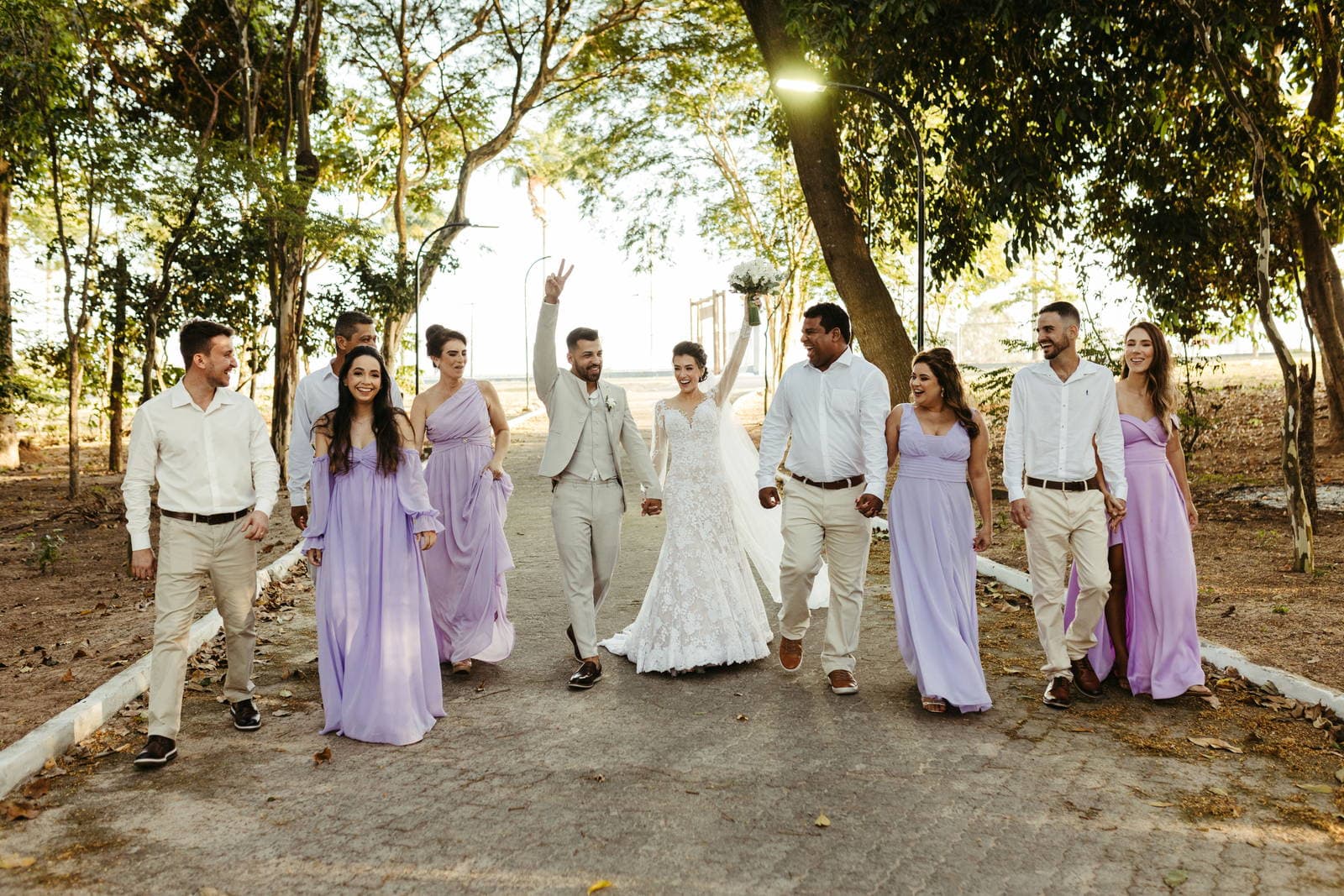
Your best friend just got engaged, and you're over the moon. The excitement is contagious, the Pinterest boards are multiplying, and everyone's texting about dress colors and venue tours. But somewhere between the third group chat and the fifteenth email thread, you realize that coordinating a wedding party isn't just about picking matching outfits, it's about orchestrating a months-long symphony of personalities, schedules, and expectations.
If you've ever tried to coordinate anything with more than four people, you know the challenge. Now multiply that complexity by six months, add in varying levels of availability, different budgets, geographic spread, and the emotional weight of someone's most important day. Suddenly, that innocent "We should plan something!" becomes a logistical puzzle that would make event planners weep.
Why Wedding Party Coordination Matters More Than Ever
Wedding parties have evolved. Gone are the days when the maid of honor simply threw a shower and everyone showed up on wedding day. Today's wedding celebrations stretch across months, with engagement parties, multiple showers, bachelor and bachelorette weekends, dress fittings, vendor meetings, and countless other events that require coordination.
The modern wedding party is also more distributed than ever. Your college roommate lives across the country, your sister has two small children, and your work friend travels constantly for business. Everyone has different time zones, different budgets, and different communication preferences. Some people live on their phones; others check email once a week.
This complexity isn't a bug, it's a feature of our rich, interconnected lives. But it means that successful wedding party coordination requires more intention, better tools, and clearer communication than ever before.
Defining Your Wedding Party Roles
Before diving into timelines and logistics, let's clarify who does what in the modern wedding party. These roles have evolved significantly, and setting clear expectations early prevents confusion later.
The Couple: Wedding Owners
As the engaged couple, you're the ultimate decision-makers. Your role is to:
- Set the vision and major parameters (date, venue, general style)
- Make final decisions when the group can't reach consensus
- Communicate major changes or updates to the entire party
- Respect your party members' time, budget, and availability constraints
- Express gratitude early and often
You're not party planners, event coordinators, or group therapists. Your job is to get married, everything else should support that goal.
Maid of Honor & Best Man: Executive Assistants
Honor attendants are your point people. They're not wedding planners, but they are your liaisons to the respective sides of the wedding party. Their responsibilities typically include:
- Coordinating side-specific events (bachelorette/bachelor parties)
- Communicating important updates to their side
- Being the go-to person for questions when you're overwhelmed
- Organizing group purchases and activities
- Serving as emotional support for the couple
The key word here is "coordinate," not "plan and pay for everything." A good honor attendant facilitates; they don't fund or micromanage.
Bridesmaids & Groomsmen: Active Participants
Wedding party members are there to support and celebrate. Modern expectations include:
- Attending wedding-related events when reasonably possible
- Communicating availability and constraints honestly and early
- Contributing to group activities within their means
- Being flexible when plans change (because they always do)
- Supporting the couple and honor attendants as needed
Note what's not on this list: unlimited availability, unlimited budget, or unlimited patience for last-minute changes. Good wedding party members show up where they can and communicate clearly when they can't.
The 6-Month Coordination Timeline
Successful wedding party coordination isn't about constant communication, it's about timely, relevant communication. Here's how to structure your coordination over the six months leading up to the wedding.
6 Months Out: Foundation Phase
Priority: Set expectations and establish communication norms.
This is your most important phase. Spend time upfront establishing how you'll work together, and you'll save countless headaches later. Key activities include:
- Initial party meeting: Whether virtual or in-person, gather everyone to discuss the overall timeline, major events, and budget expectations
- Communication preferences: How often will you check in? Which platform works for everyone? Who's comfortable with text vs. email vs. apps?
- Budget conversations: Be honest about financial expectations for dresses, travel, parties, and gifts
- Save-the-date sharing: Make sure everyone has the wedding date, venue, and any other major events locked in
The goal isn't to plan everything, it's to align on how you'll plan together.
4-5 Months Out: Planning Phase
Priority: Make concrete plans for major events.
Now you move from abstract to concrete. This phase focuses on the big decisions that require group input:
- Bachelorette/bachelor party planning: Honor attendants take the lead here, but with input from the group and clear parameters from the couple
- Dress/suit selection: Coordinate shopping trips, share photos, make group decisions
- Travel arrangements: For destination events or weddings, start coordinating group accommodations and transportation
- Vendor meetings: If wedding party members are involved in vendor selection (common for hair/makeup), start scheduling
This is typically your busiest coordination period. Lots of decisions, lots of opinions, lots of logistics. Good communication systems pay dividends here.
2-3 Months Out: Execution Phase
Priority: Finalize details and confirm logistics.
The major decisions are made; now you're managing details:
- Final headcounts: Confirm who's attending what
- Logistics coordination: Times, places, transportation, accommodations
- Purchase coordination: Dresses, shoes, accessories, gifts
- Schedule alignment: Make sure everyone knows when and where they need to be
This phase often feels chaotic because you're juggling many small details across multiple events. The key is to batch communication rather than sending constant updates.
1 Month Out: Refinement Phase
Priority: Confirm final details and prepare for the big day.
You're in the home stretch. Focus on:
- Final fittings and preparations: Last dress alterations, final shoe selection, beauty appointments
- Rehearsal coordination: Who needs to be where, when
- Day-of logistics: Transportation, getting-ready schedules, ceremony logistics
- Gift coordination: If you're doing group gifts, finalize and organize
2 Weeks Out: Execution Phase
Priority: Lock in all final details.
- Weather contingency plans: Especially important for outdoor events
- Emergency contact information: Make sure everyone has key phone numbers
- Day-of timeline sharing: Detailed schedules for everyone involved
- Final confirmations: Triple-check all the important details
Week Of: Celebration Phase
Priority: Support the couple and enjoy the experience.
By now, all major decisions should be made. This week is about:
- Setup and preparation: Decorating, organizing, final preparations
- Rehearsal participation: Practice makes perfect
- Emotional support: The couple will be stressed; be their calm presence
- Celebration: Remember, this is supposed to be fun
Common Pain Points and How to Avoid Them
After watching hundreds of wedding parties navigate these months, certain problems emerge repeatedly. Here's how to prevent the most common ones:
Communication Overload
The problem: Group chats that never stop, email threads with 47 replies, and constant notification fatigue.
The solution: Establish communication boundaries early. Batch updates into weekly check-ins rather than real-time reactions. Use different channels for different purposes, urgent logistics in text, fun updates in group chat, detailed planning in email or a shared app.
Budget Misalignment
The problem: Assumptions about what people can or should spend, leading to resentment or exclusion.
The solution: Talk about money early and explicitly. Set clear expectations for what events are happening and what they'll cost. Offer alternatives for people with different budget constraints. Make it clear that attendance is preferred over financial participation.
Geographic Challenges
The problem: When wedding party members are spread across multiple cities or time zones, coordination becomes exponentially more complex.
The solution: Accept that not everyone can participate in everything, and plan accordingly. Schedule video calls for major decision-making. Use technology to include remote party members in shopping trips and planning sessions. Build in flexibility for travel and timing constraints.
Last-Minute Changes
The problem: Wedding planning is inherently iterative, but constant changes exhaust even the most patient wedding party members.
The solution: Front-load major decisions and try to stick with them. When changes are necessary, communicate them as early as possible with clear explanations of why they're needed. Acknowledge the inconvenience and express gratitude for flexibility.
Personality Conflicts
The problem: Strong personalities, different planning styles, and high emotions can create conflict within the wedding party.
The solution: Address conflicts directly and early, preferably through the honor attendants or the couple themselves. Focus on shared goals rather than process preferences. When necessary, create separate planning groups for different events.
The Role of Modern Technology
Wedding party coordination has been transformed by technology, but not always in helpful ways. The key is choosing tools that reduce friction rather than adding complexity.
What Works: Centralized Information
The best coordination happens when everyone has access to the same information in one place. Whether it's a shared calendar, a dedicated app, or a simple Google doc, having a single source of truth eliminates the "Did I miss something?" anxiety that plagues group coordination.
Look for tools that allow:
- Shared calendars with automatic reminders
- Photo sharing for dress shopping and venue visits
- Group messaging that doesn't overwhelm
- Task assignment and tracking
- Budget transparency and expense sharing
What Doesn't Work: Platform Proliferation
Beware the temptation to use every available tool. When coordination happens across text, email, Instagram DMs, a shared Pinterest board, a wedding app, and three different group chats, information gets lost and people get overwhelmed.
Choose one or two primary platforms and stick with them. Make sure everyone in the wedding party is comfortable with and has access to the tools you choose.
Building Excitement While Managing Logistics
The best wedding party coordination doesn't feel like project management, it feels like an extended celebration. Here's how to maintain the joy while handling the logistics:
Focus on Connection, Not Just Coordination
Use planning activities as opportunities to bond. Turn dress shopping into a day out. Make vendor visits into mini-parties. Share behind-the-scenes moments and inside jokes. The goal isn't just to plan efficiently; it's to build memories and strengthen relationships.
Celebrate Small Wins
Found the perfect venue? Share the excitement. Nailed the bachelorette party planning? Celebrate together. Managed to coordinate everyone's schedules? Acknowledge the minor miracle that it is. Wedding planning is a series of small victories; treat them as such.
Be Grateful Early and Often
Wedding party coordination asks a lot of people. They're giving their time, energy, and money to support your celebration. Express gratitude regularly, specifically, and publicly. Thank people for flexibility when plans change. Acknowledge the effort that goes into participation. Recognize that their presence is a gift.
When to Bring in Professional Help
Not every coordination challenge can be solved with better communication or smarter technology. Sometimes you need professional help. Consider hiring a wedding coordinator or day-of coordinator if:
- Your wedding party is large (8+ people) or geographically dispersed
- You're planning multiple large events (engagement party, shower, bachelor/bachelorette, wedding)
- Major life events are happening simultaneously (job changes, moves, babies)
- Budget and timeline constraints are creating significant stress
- Personality conflicts are affecting the group dynamic
Professional coordinators don't replace wedding party coordination, they enhance it by handling logistics so the wedding party can focus on celebration.
The New Rules of Wedding Party Coordination
Based on what actually works in practice, here are the evolved guidelines for modern wedding party coordination:
Communication should be intentional, not constant. Quality over quantity in all group communications.
Flexibility is mandatory for everyone. Plans will change; budget expectations will evolve; people's availability will shift. Build this into your expectations from the beginning.
Participation is more important than perfection. It's better to have people there enjoying imperfect events than to stress everyone out trying to create Pinterest-worthy perfection.
Technology should simplify, not complicate. Choose tools that work for your least tech-savvy party member, not your most advanced one.
Money conversations should be explicit. Assumptions about budget lead to more problems than honest conversations about constraints.
The couple sets the tone. If you're stressed, everyone else will be stressed. If you're grateful and flexible, others will mirror that energy.
Honor attendants are coordinators, not martyrs. They should facilitate and organize, not fund and micromanage everything.
Wedding party membership is about relationship, not obligation. People should participate because they want to celebrate with you, not because they feel guilty or obligated.
Looking Forward: Your Coordination Journey
Successful wedding party coordination isn't about eliminating stress or ensuring everything goes perfectly. It's about creating a framework for people who care about each other to work together toward a shared goal, even when it gets complicated.
The couples who navigate this most successfully understand that wedding party coordination is itself a celebration, an extended opportunity to connect with the people who matter most to you as you transition into marriage. The logistics are just the mechanism; the real goal is the experience of planning and celebrating together.
Your wedding day will be over in a few hours, but the months of coordination leading up to it create lasting memories and deeper relationships. When you look back on this time, you'll remember the late-night group chats about bachelorette party destinations, the chaos of dress shopping with five opinions, and the moment when everything finally came together.
Approach coordination as an opportunity rather than a burden, communicate with intention rather than impulse, and remember that the best wedding parties are the ones where everyone feels valued, heard, and excited to celebrate together.
The most beautiful weddings aren't the ones where everything went perfectly according to plan, they're the ones where a group of people who love each other created something meaningful together, complete with all the beautiful, chaotic, memorable imperfection that comes with any truly human endeavor.
Planning a wedding? Nozari makes coordinating your party effortless. From shared calendars to private planning spaces for bachelor and bachelorette parties, everything you need is in one beautiful, easy-to-use app.