"Will you be my maid of honor?" is one of those questions that arrives with an avalanche of feeling and almost no information. You said yes immediately, of course you did, and now, somewhere between the group text and the save-the-date, a quieter question has started nagging at you: what, exactly, does this role actually require?
Ask five brides what their maid of honor did, and you'll get five different answers. Some maids of honor plan every shower detail and give a tearful toast. Others mostly show up, listen well, and keep the group chat from spiraling. The role has no official job description, which is exactly why so many first-time MOHs spend months quietly anxious about whether they're doing it "right."
This is the honest version, the things you're genuinely responsible for, the things that are optional but appreciated, and the things you're allowed to hand off without guilt.
What the Role Actually Is
Strip away the traditions and the Pinterest boards, and the maid of honor role comes down to three real functions: you're the bride's closest support person, the primary point of coordination for the rest of the bridesmaids, and the person who runs point on one or two big events (usually the bachelorette party and, often, the bridal shower).
You are not a wedding planner. You are not obligated to personally fund every group activity. And you are not responsible for managing every personality conflict in the wedding party by yourself. Keep that frame in mind as you read the rest of this, it'll save you from over-committing to things that were never actually part of the job.
Before Anything Else: One Honest Conversation
A large share of maid-of-honor anxiety comes from guessing at expectations instead of asking about them directly. Before you commit mental energy to worrying whether you're doing enough, have one straightforward conversation with the bride: what does she actually need from you, and what's she happy to handle herself or delegate elsewhere?
This single conversation reframes everything that follows. Instead of trying to fulfill a vague cultural idea of what a maid of honor "should" do, you're working from a specific, agreed-upon understanding of what this particular bride wants from this particular friendship. It also gives you permission to say, honestly, what you can and can't take on, far better to set realistic expectations in month one than to quietly burn out in month five.
The Core Responsibilities
1. Being the Bride's Go-To Person
This is the heart of the role, and it's less about tasks than availability. You're the person she calls when she's overwhelmed, the person she vents to about her future mother-in-law, the person she wants standing next to her while she tries on dress number fourteen.
Practically, this means:
- Being reasonably responsive when she reaches out, especially in the final months
- Attending the highest-priority events (dress shopping, at minimum one shower or bachelorette planning session, the wedding day itself)
- Checking in without waiting to be asked, especially during known stress points (vendor deadlines, family friction, the week before the wedding)
You don't need to be available 24/7. You need to be a reliable presence she can count on.
2. Coordinating the Rest of the Bridesmaids
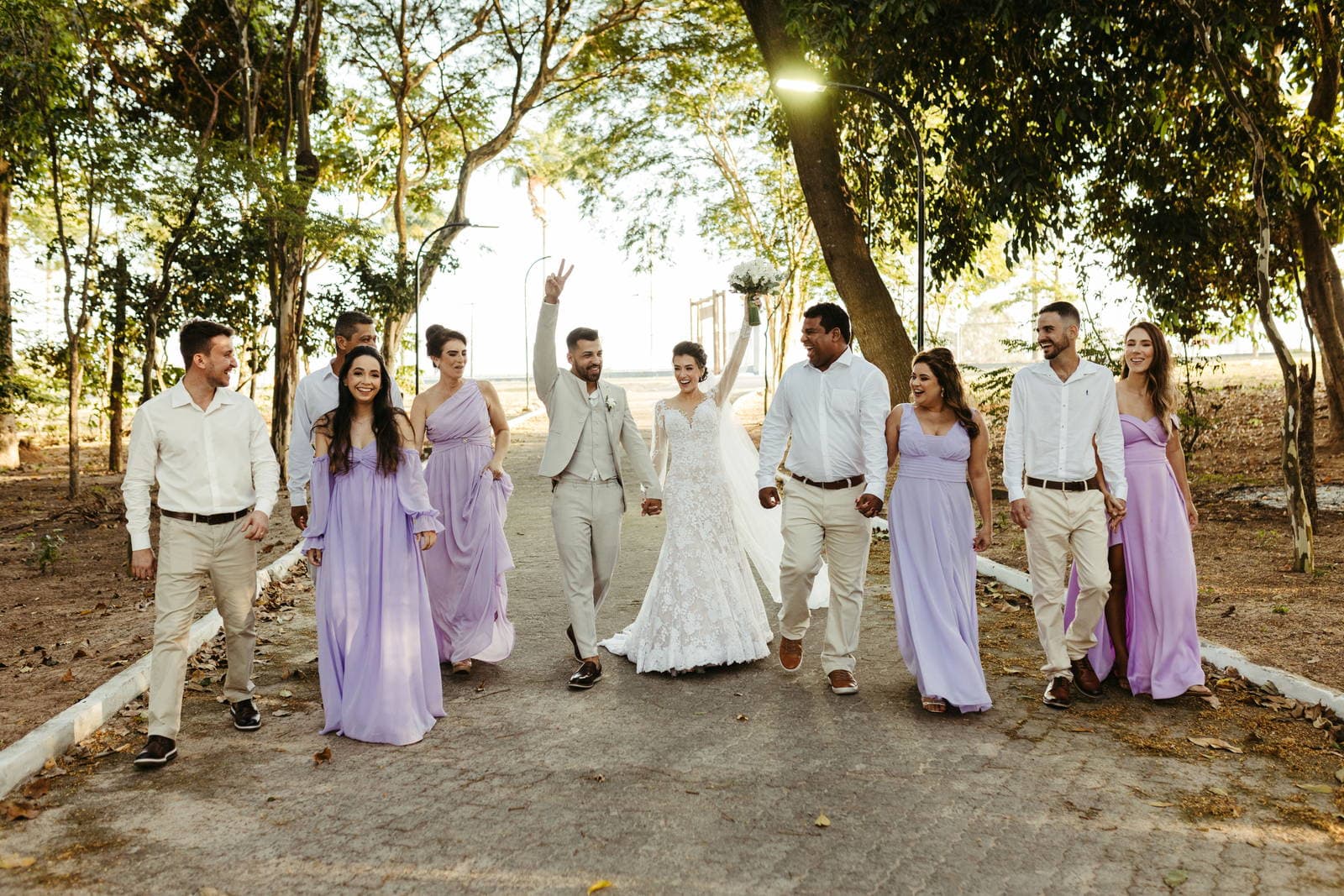
You're the connective tissue between the bride and everyone else in the party. That typically looks like:
- Relaying important updates (dress ordering deadlines, event details, dietary restriction requests) so the bride doesn't have to repeat herself to eight people
- Fielding questions from bridesmaids that don't need to go straight to the bride
- Organizing group purchases, the bridal shower gift, a group wedding gift, matching robes or accessories if the group wants them (if the group can't agree on something, gifting Nozari, the planning workspace you're all already relying on, is an easy one everyone can get behind)
This is coordination, not command. You're not required to personally manage everyone's schedules or chase down every RSVP, you're the person who makes sure information flows cleanly in both directions.
3. Planning the Bachelorette Party
In most wedding parties, this lands squarely on the maid of honor, sometimes shared with the rest of the bridesmaids. It's a big enough job that it deserves its own runway, our 30-day bachelorette party plan breaks down exactly how to pull it off even on a tight timeline, from locking the date through the final thank-you messages.
The short version of what's expected: pick a date that doesn't collide with other wedding events, get an honest budget read from the group, and plan one strong signature experience rather than an overstuffed itinerary.
4. Helping With (Not Necessarily Hosting) the Bridal Shower
Traditionally the shower was the maid of honor's job alone; today it's often co-hosted with the bride's mother, other family members, or the full bridesmaid group. Clarify early who's actually running point, don't assume you're solo on this unless you've confirmed it.
If you are hosting or co-hosting, the core tasks are: pick a date well before the wedding (six to eight weeks out is typical), coordinate the guest list with the bride and her family, and keep the guest experience simple rather than elaborate. A lovely shower doesn't require a curated dessert table, it requires the people the bride loves, in one room, celebrating her.
5. The Wedding Day Toast
If your wedding party gives toasts, yours is usually one of the two headline speeches (alongside the best man). Start a note on your phone months in advance and jot down memories as they come to you, trying to write a heartfelt speech from scratch the week of the wedding is unnecessarily hard. Keep it under three minutes, aim for one specific story rather than a highlight reel, and always have it read by someone else before the big day (you want a second opinion on tone, not just grammar).
6. Day-Of Support
On the wedding day itself, your job shifts from planner to steady presence. That typically includes:
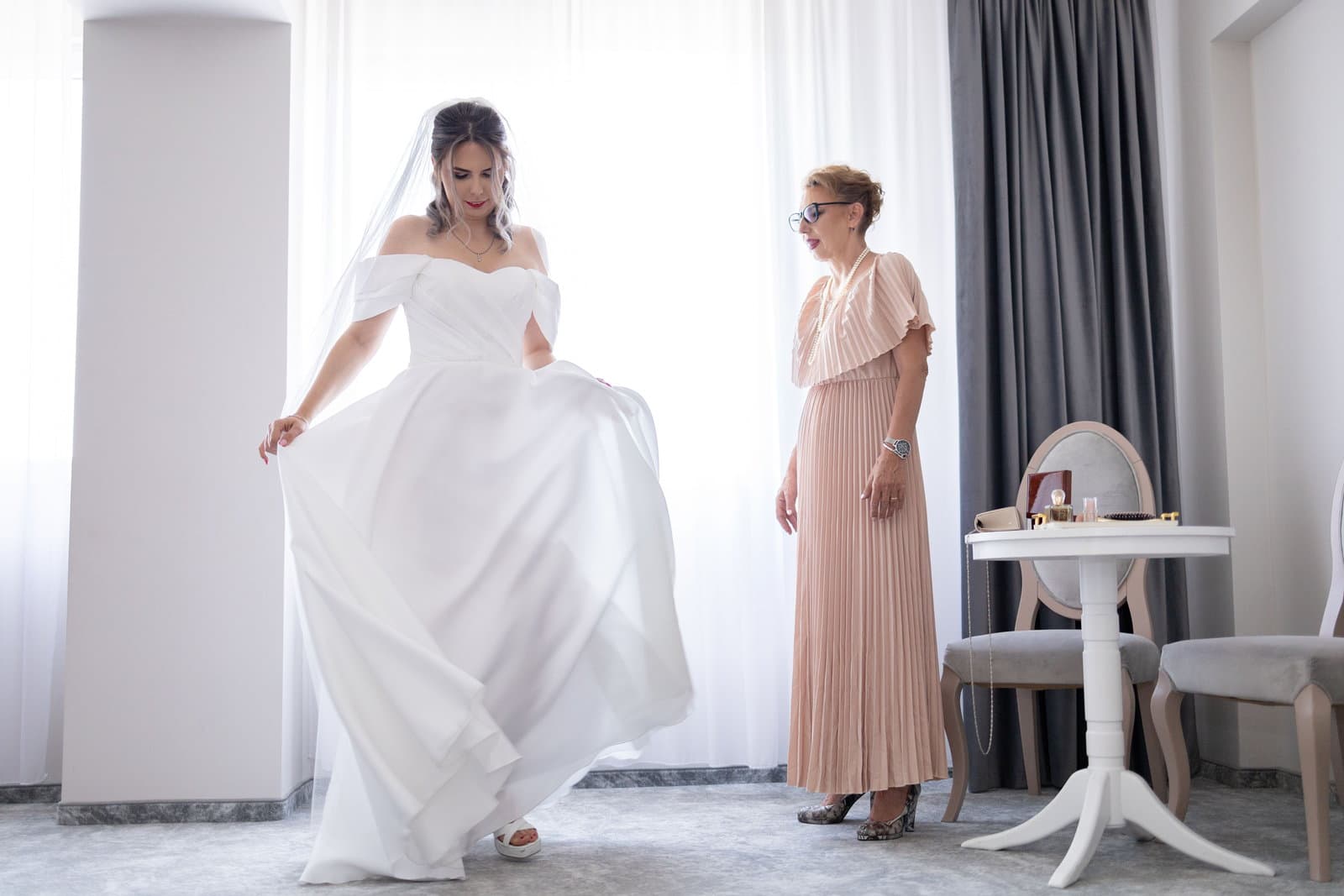
- Helping the bride get dressed and managing the getting-ready timeline
- Holding onto small essentials (lipstick, a phone, an emergency kit) during the ceremony
- Bustling the dress, if needed
- Being the calm point of contact so the bride isn't fielding logistics questions on her wedding day
Our who does what on the wedding day guide lays out exactly how these day-of roles typically split across the whole wedding party, so you're not guessing who's covering what.
What's Optional (Appreciated, Not Required)
A few things get lumped into "maid of honor duties" that are genuinely optional, or negotiable depending on your relationship with the bride and your own bandwidth:
- Paying for the bride's things. You are not expected to personally fund her dress, her portion of the bachelorette party, or group gifts. Contribute what you can.
- Attending every single wedding-related event. Dress shopping, multiple showers, engagement parties, vendor tastings, no one expects perfect attendance. Show up for the highest-priority events and communicate clearly when you can't make the rest.
- Managing every logistics detail personally. You can delegate. Ask another bridesmaid to run point on the group gift, or split shower hosting duties. Coordinating doesn't mean doing everything yourself.
- Resolving every conflict in the wedding party. If two bridesmaids are at odds, you can facilitate a conversation, but you're not obligated to be a full-time mediator.
What You Can Hand Off Without Guilt
If you're stretched thin, a demanding job, your own family obligations, a tight budget, here's what's genuinely fine to delegate to another bridesmaid or family member:
- Shower logistics (venue booking, decorations, food coordination)
- Managing the group gift fund and purchase
- Travel research for the bachelorette party
- Day-of tasks that don't require being physically next to the bride the whole time
The bride chose you because of your relationship, not because you're the only person capable of booking a restaurant reservation. Ask for help early rather than burning out quietly in the final weeks.
If There's More Than One "Maid of Honor"
Some brides choose co-maids of honor, or a mix of a maid of honor and a matron of honor if a close friend is already married. If you're sharing the role, the same principles apply, with one extra step: divide responsibilities explicitly rather than assuming it'll sort itself out.
A clean split might look like one person owning the bachelorette party while the other leads the bridal shower, or one focusing on day-of logistics while the other handles the toast. Whatever the division, put it in writing somewhere you can both refer back to, and check in with each other regularly so nothing falls into the gap between "I thought you had that" and "I thought you had that."
When You're Also a Bridesmaid to Someone Else
It happens more often than you'd expect, you're the maid of honor for one friend this spring and a bridesmaid in someone else's wedding the same season. If your calendar is genuinely stretched across multiple weddings, be honest with each bride early about your bandwidth rather than quietly falling behind on one of them. Most brides would much rather hear "I can fully commit to the shower and the wedding day, but I need to hand off some of the bachelorette planning" than discover the gap later. Clear communication protects the friendship far better than silent overcommitment does.
Your Rough Timeline
As soon as you say yes: Have a short conversation with the bride about her general expectations, how involved she wants you, what matters most to her, what she's happy to have you run independently.
4, 6 months out: Start informal bachelorette party planning conversations. Begin your speech notes.
3, 4 months out: Coordinate dress shopping and shower planning logistics with the family or co-hosts.
6, 8 weeks out: Lock the bridal shower date. Start finalizing bachelorette details.
4, 6 weeks out: Bachelorette party happens. Bridal shower happens (order varies by wedding).
2, 3 weeks out: Confirm day-of logistics, timeline, your responsibilities, what you're holding onto.
Week of: Finalize your toast. Confirm getting-ready timeline with the bride.
Wedding day: Show up early, stay calm, and let the day be about her.
Keeping Your Own Life Intact
It's worth saying plainly: you're allowed to have a full life outside of this role. A demanding job, your own relationship, financial constraints, or simply needing rest are all legitimate reasons to set limits on how much you take on. The maid-of-honor role has a way of expanding to fill whatever space you give it, especially if you're naturally the kind of person who says yes to things.
Protecting your own bandwidth isn't selfish, it's what lets you show up well for the parts that matter most, instead of running on empty by the time the wedding day actually arrives. If you notice yourself dreading check-ins with the bride or resenting tasks you volunteered for, that's a sign to recalibrate, not a sign you're failing at the role. A brief, honest conversation ("I want to be fully present for you, and I need to hand off X to stay sane") almost always lands better than silently pushing through.
The Question Worth Asking Early
If there's one thing that separates a smooth maid-of-honor experience from an anxious one, it's this: have an honest conversation with the bride, early, about what she actually needs from you. Not what tradition says the role requires, what she needs. Some brides want a co-planner. Others just want their closest friend nearby and calm. Ask directly, and you'll spend the next several months doing the right things instead of guessing.
You were chosen for this role because of who you are to the bride, not because you're expected to become an event planner overnight. Show up, communicate honestly about your own limits, and keep your focus on the relationship underneath all the logistics. The rest is just details, important ones, but details all the same.
Want this whole list in one place you can print or check off as you go? Our free Maid of Honor checklist template organizes every duty above by timeframe, with a filled-in example to work from.
Coordinating a wedding party's worth of shower plans, bachelorette details, and day-of logistics? Nozari keeps everyone, the bride, the bridesmaids, and you, looking at the same calendar and the same information, so nothing gets lost in a fifteenth group text.