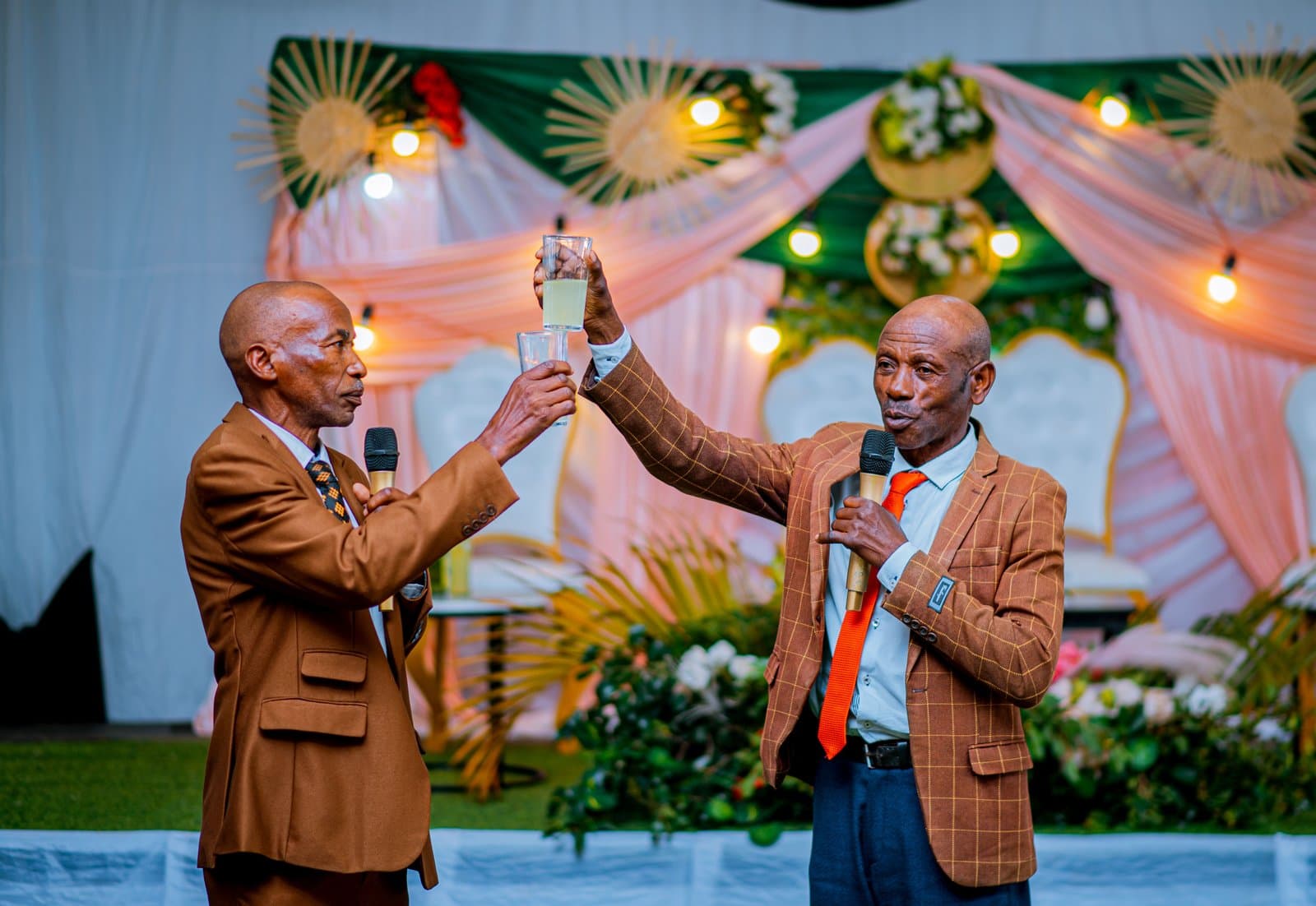
Maid of honor speeches fail in a particular way. They are almost never unkind or badly meant. They are too long, and too long for a sweet reason: you have known her for fifteen years and the speech quietly becomes a tour of all fifteen.
That tour is lovely to give and hard to sit through. The room is a hundred and forty people, most of whom met her after college, and they cannot follow a chronology of dorm rooms, flatmates, and a trip to Lisbon that mattered enormously and explains nothing. What they can follow is one thing about her, proved by one story, turned toward the person she married.
That is the speech. Here is how to write it without flattening what you actually feel.
The One Thing That Makes It Work
Pick a trait, not a timeline.
Before you draft, finish this sentence: "The thing about Priya is ______." She notices. She is braver than she admits. She has never once let anything be awkward. She is the person everyone calls first.
Then choose a single story that proves it and leave every other story out. That is the whole structural decision, and it is the difference between three minutes people remember and seven minutes people endure. A chronology has no point. A trait does.
If you are a man of honor, a matron of honor, a best woman, or an honor attendant with no traditional title, none of this changes. If you are not sure which of those you are, we wrote about the difference in matron of honor versus maid of honor.
Three Minutes
Two to three minutes, or roughly 300 to 400 spoken words. Three and a half at the outside.
Yours is often the speech people expect to be the most emotional, which buys you perhaps thirty seconds more than the other toasts and not three minutes more. It is also one of three or four, after a meal, in a warm room, for people who have been in formal clothes since nine in the morning.
Time it out loud, standing. Reading in your head runs about twice as fast as speaking, which is why a speech that takes two minutes at the kitchen table takes five at a microphone.
The Outline
Seven lines. One or two sentences each.
1. Who you are, in a sentence. "I'm Nadia, Priya and I have been friends since our first job." That is enough. The room does not need the org chart.
2. The trait. The sentence you finished above, said plainly. "The thing about Priya is that she notices everything."
3. The story, in five or six sentences. One occasion. A place, a time, a specific detail. Not a montage.
4. The turn. What that trait means for a marriage, not just for a friendship. This is the line that makes it a wedding speech rather than a birthday one.
5. One honest line about the two of them. What you have seen between them. Not a compliment about him, and not a joke about how long it took.
6. One sentence to her. Short. Said to her, looking at her.
7. The toast. "Please raise your glasses to Priya and Daniel."
That is the shape. The best man toast runs on the same frame from the other side, so compare notes once and make sure you are not both telling the airport story: ours is in how to write a best man speech.
Choosing the Story
The useful story is usually smaller than the one you want to tell.
Good candidates: the night she drove across town because you did not want to ask. The time she sat in a hospital corridor with your mother. The way she rewrote your cover letter at midnight and never mentioned it. The pointless Tuesday that became a decade long joke.
Weak candidates, however much you love them: anything that needs you to explain three other people, any story whose punchline is a nickname, and any story where the real content is how much you miss living together. That last one is the common trap. It is a real feeling and it belongs in a card, not a microphone.
Three quick tests:
- Can a stranger follow it with no setup? If it needs a paragraph of context, choose another.
- Does it prove the trait you named? If it only proves you were close, it is not doing structural work.
- Would she be glad you told it? Not merely fine with it. Glad.
Then put the details back in. Rooms respond to the specific, not the general: the corridor, the midnight, the Tuesday. "She has always been so supportive" is true of everyone and lands on no one.
The Exes Rule
No exes. None.
Not the serious one, not the funny one, not "we have all come a long way since Marcus," not a knowing look that the front two tables will understand. Not a joke about how many frogs there were. Not a reference to her dating history in aggregate, which is the version people think is safe and is not.
The reason is simple. You are speaking to a room that includes his family, her parents, colleagues, and plenty of people who have no idea who you mean and will spend ten minutes asking. There is no upside available. The line gets a nervous laugh at best, and it is the only part of the speech anyone repeats afterwards.
The same rule covers the relationship's rough patches, whether he was approved of early on, and any joke built on the idea that she settled or he got lucky. Say the warm true thing instead.
Speaking About Him When You Barely Know Him
Very common, rarely admitted, and easy to solve. You do not have to claim a friendship you do not have. You need one honest observation, and the most reliable one is about the change you have seen in her.
- What you noticed in her. "I have known Priya nervous about plenty of things. I have never seen her nervous about this."
- What he does. "He listens to her the way she listens to everybody else, which is the first time I have seen anyone do that for her."
- What they are like together. "They are extremely boring together and I mean that as high praise."
If you genuinely do not know him well, one warm sentence acknowledging that is fine and disarming. What is not fine is filling the gap with generic praise, which the room can hear as the sound of someone who does not know what to say.
What to Cut
- The chronology. Years are not a structure. Pick the trait.
- The second and third story. However good they are.
- Inside jokes. Four people laughing reads as silence to everyone else.
- Every ex, as above.
- The list of other bridesmaids, hosts, and helpers. A thank you list makes nobody feel thanked, and the shower hosts were already thanked at the shower.
- Advice about marriage. Unless you are married and keep it to one line, it reads oddly from the podium.
- The apology. Not for the speech, not for crying, not for its length. Just carry on.
And cut the opening about how you are not good at this. Everyone says it, it is never true, and it spends your first twenty seconds.
If You Think You Will Cry
You very well might, and it is fine. The room is on your side, and a steady voice is not the point.
What helps, in practice:
- Write the hardest sentence early in the speech, not in the final line. If your voice goes, you want it to go with two minutes of material left rather than on the closing words.
- Know your last two lines by heart. If you are emotional, you can deliver memorized lines when you cannot read a card.
- Rehearse the emotional part five times. Most crying at a microphone happens the first time anyone says the sentence out loud. Make the microphone the sixth time, not the first.
- Pause and breathe rather than pushing through. A five second pause reads as feeling. A rushed, wobbling paragraph reads as distress and makes the room anxious for you.
- Keep a tissue in your hand, not in a bag at the table.
On the Night
- Print it. One side, large type. Phones go dim, buzz, and lock.
- Know your slot. Usually during or just after the meal, often adjacent to the best man. Confirm it at the rehearsal with whoever is running the room; our reception MC guide explains how the order comes together.
- Stand, do not perch, and put your drink down before you start.
- Hold the mic a hand's width from your mouth and keep it there when you turn to look at her, which is where most people drift off the microphone.
- Look up three times minimum. At her, at the middle of the room, at the back.
- Finish cleanly. "Please raise your glasses," a pause long enough for the room to lift them, then both names. Then sit down.
The toast is one of the last real jobs in the role. Everything in front of it, from the dress order to the shower to the day itself, sits in our maid of honor checklist.
Common Questions
How long should a maid of honor speech be?
Two to three minutes, which is roughly 300 to 400 spoken words. Time it standing up and out loud, because speaking pace is about half of reading pace, and cut a whole section rather than shaving words if it runs long.
What should a maid of honor speech include?
Who you are in one sentence, one trait that defines her, one story that proves it, what that trait means for a marriage, one honest line about the two of them, one short sentence to her, and the toast. Seven beats, and nothing else.
Can a maid of honor speech mention the bride's exes?
No. Not seriously, not as a joke, not obliquely. The room includes both families and plenty of people who will not know who you mean, there is no upside, and it is the one line guests repeat afterwards for the wrong reason.
What if I do not know the groom very well?
Say one honest thing rather than something generic. The most reliable version is about the change you have seen in her since they met, which you are qualified to speak to and which is usually the warmest thing in the speech anyway.
Who speaks first, the maid of honor or the best man?
Either, and it varies by wedding. The order is set by whoever is running the reception, commonly after a parent's welcome, so confirm it at the rehearsal. If you can, compare notes with the best man beforehand so you are not telling the same story twice.
The Short Version
Name the trait, then prove it with one story. Not a timeline, not the fifteen year tour. Three minutes, about 350 words, on a seven line outline. No exes, no inside jokes, no thank you list, no apology. If you barely know him, say the true thing you have noticed in her. Put the hardest sentence early, learn the last two lines by heart, rehearse standing up, and finish on both their names.
The speech people remember is almost never the longest one. It is the one that said a single true thing and then stopped.
Shower, bachelorette, the dress order, the day itself, and now a speech? Nozari keeps the whole wedding party's dates, tasks, and details in one shared place, so you are not the only person holding all of it. See how it works.