Most wedding outfit panic is not really about clothes. It is about two words on an invitation and the absence of any instruction about where you will be standing in them.
"Cocktail" tells you the formality and nothing else. It does not mention that the ceremony is on grass, that the reception is outdoors until ten at night in October, or that there are forty minutes between the two with no shade. Those are the facts that decide whether an outfit works, and they are almost never on the card.
So this guide works in that order. Start with the code, then adjust for the venue and the season, then check the short list of things that genuinely do not work. Twenty minutes of thought, once, and the question is closed.
Step One: Read the Code
Here is each code in the shortest honest form. Our full breakdown of what every wedding dress code means goes into each one properly, including what the wedding party wears and why it is different.
| Code | Wear |
|---|---|
| White tie | Tails and a white bow tie, or a floor length gown |
| Black tie | A tuxedo, or formal floor length |
| Black tie optional | A tuxedo or a dark suit, both equally right |
| Formal | A suit and tie, or a long or elegant midi dress |
| Cocktail | A suit, or a knee to midi dress. The common default |
| Semi formal | A suit without a tie, or a smart day dress |
| Dressy casual | Chinos and a collar, or a day dress. No jeans |
| Festive | Cocktail, with something celebratory in it |
| Beach formal | Linen or light wool, or a floaty long dress. No tuxedo |
| Garden party | Cocktail in daylight colours, with shoes for grass |
| Casual | As specified, and still smarter than brunch |
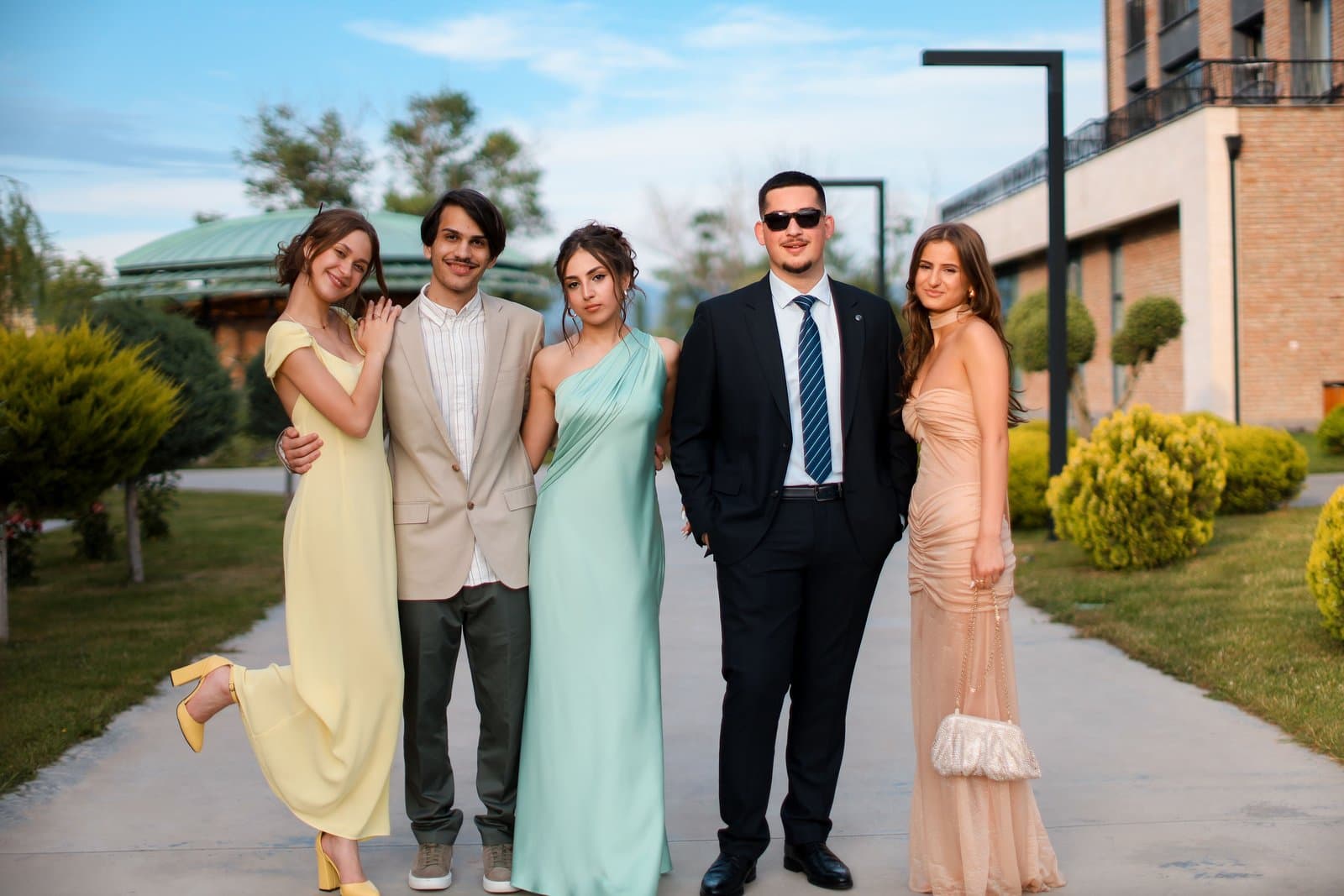
Formalwear has traditionally been described by gender and plenty of guests do not dress along those lines, so read each code as a list of garments that meet it and wear whichever of them is yours. Nobody has ever been underdressed for choosing the suit over the gown, or the reverse.
If there is no dress code at all, cocktail is the safe read for an evening wedding and semi formal for a daytime one. Look at the venue, which usually settles it: a hotel ballroom is asking for more than a winery lawn.
If the code is invented, which happens more than it should, ignore the words and find the real code underneath. "Garden glam" is cocktail outdoors. "Coastal chic" is beach formal. "Black tie fun" is black tie, with permission to wear a colour.
Step Two: Adjust for the Venue
The code sets the formality. The venue decides whether you will enjoy the day.
On grass. Block heels, wedges or flats. Stilettos sink, and the walk from the car park is longer than anyone warns you. This is the single most common outfit regret at weddings.
On sand. Dressy sandals, or something you are happy to carry. Many beach weddings are barefoot for the ceremony and nobody minds.
Cobbles, gravel, a barn floor. Thin heels again lose. A block heel or a smart flat handles all three.
A church or a place of worship. Covered shoulders are often expected and sometimes required, and a head covering is required in some traditions. If you do not know, ask the couple or bring a wrap you can put on at the door. A wrap solves this quietly and costs you nothing to carry.
A city hotel or ballroom. The one venue where the code is the whole instruction, because you will be indoors on a flat floor all evening.
Outdoors, start to finish. Assume no shade for the ceremony, a temperature drop after sunset, and no mirror. Dress for the version of the day that runs two hours longer than planned.
Step Three: Adjust for the Season
Summer. Natural fibres over synthetics, which is a genuine comfort difference rather than a style note. Linen, cotton, and light wool breathe. A lining you cannot see will decide how the afternoon goes. Bring sunglasses and expect to be photographed squinting anyway.
Autumn and spring. The most forgiving seasons, and the ones where people most often forget that an outdoor ceremony in late afternoon is cold. Something over your shoulders, in the car at minimum.
Winter. Deeper colours, heavier fabrics, velvet if the code allows it. The real problem is the gap between the car and the door, so bring a proper coat and accept that you will check it. A beautiful outfit under an inadequate jacket is a cold forty minutes.
Rain, in any season. A small umbrella, and shoes you do not mind getting wet. Outdoor weddings have indoor backup plans, which usually means a sudden move across a wet lawn.
What Never Works
Short list, and it is genuinely short.
White, ivory, cream or champagne, unless the couple asked you to wear it. This holds at every formality level and it is the one rule guests are really expected to follow. An outfit that is mostly another colour with a white pattern through it is usually fine. A head to toe cream suit is not.
The colour the couple asked guests to avoid. Usually the wedding party's shade. If the invitation or website says it, take it seriously, because standing in the photographs looking like a bridesmaid is an avoidable kind of awkward.
Jeans and trainers, unless the invitation specifically says jeans, which does happen at genuinely casual weddings.
Anything that needs managing. A strapless top you will adjust every ten minutes, a hem you have to hold on stairs, shoes you can stand in for ninety minutes but not four hours. You will be sitting, standing, dancing and queueing for most of a day.
A dramatic hat, in a seated indoor ceremony. Lovely at a garden wedding, and a genuine problem for the person behind you in a church.
Black, which is fine. Worth stating plainly because it still worries people. Black at a wedding has not been a faux pas for many years and is among the most common guest colours at any evening wedding.
The Things People Forget
- A wrap or a jacket. The single most useful item on this list, in any season.
- Blister plasters. Two, in a pocket. They have rescued more receptions than anything else here.
- A small bag that closes. Phone, plasters, lipstick, the car key. Clutches get left on tables.
- A spare pair of flats if you are in heels all day, which is now entirely normal and not a defeat.
- Cash, for a tip jar, a coat check, or a taxi at the end.
If you are travelling for the wedding, the packing problem is bigger than the outfit problem. Our destination wedding guest checklist covers what to bring when there are three events across a weekend and you are carrying all of it.
If You Are in the Wedding Party
Then none of this applies to you, and that is the useful thing to know.
The wedding party does not read the dress code. The party wears what the couple specified, which is usually a notch dressier than the guests and often a particular style, colour or retailer. If you are standing up at the wedding and you are reading the invitation to work out what to wear, a brief exists and you have not been sent it. Ask for it, in writing, and ask about footwear at the same time, because the party stands on that lawn considerably longer than the guests do.
A Short Note on Getting It Slightly Wrong
Someone at every wedding is a notch over or under the code. It is almost always invisible and nobody remembers it.
If you arrive and feel underdressed, take off the obvious casual element, put the jacket on, and stop thinking about it. If you feel overdressed, you look like you made an effort for people you love, which is the correct error of the two. The only version of this that really matters is the white rule, and that one is easy to avoid.
Common Questions
What should I wear to a wedding if there is no dress code?
Cocktail for an evening wedding and semi formal for a daytime one. That means a suit, or a dress from knee to midi length, or smart separates. Let the venue adjust it: a city hotel is asking for a little more, a winery lawn or a backyard a little less.
Can wedding guests wear black?
Yes. Black at a wedding stopped being a faux pas many years ago and is one of the most common guest colours at evening weddings. White, ivory, cream and champagne are the shades to avoid unless the couple has specifically asked for them.
What shoes should I wear to an outdoor wedding?
Block heels, wedges or smart flats. Stilettos sink into grass and are miserable on gravel and cobbles, and the walk from parking to ceremony is usually longer than anyone mentions. If the reception is indoors, carrying a second pair is entirely normal.
Is it rude to wear a white pattern to a wedding?
Usually not. The rule is about reading as the bride, so an outfit that is mostly another colour with white in the pattern is generally fine, while an all cream or all ivory outfit is not. If you are unsure about a specific piece, a photograph sent to the maid of honor settles it in a minute.
What does cocktail attire mean for a wedding guest?
Dressed up but not black tie: a suit with or without a tie, a dress from knee to midi length, or smart separates. Colour and pattern are both open. Floor length gowns read as overdressed at a cocktail wedding, and office clothes read as under.
The Short Version
Read the code, then adjust twice. Cocktail is the default when nothing is stated for an evening, semi formal for a day. On grass or sand, wear block heels or flats. Outdoors, bring something for your shoulders whatever the forecast says. Avoid white, ivory and cream, avoid the shade the couple asked guests not to wear, and stop worrying about black because it is fine.
Bring a wrap, two blister plasters, and a bag that closes. That is the whole brief.
Dress code questions, meal choices and plus one names landing across texts, cards and two inboxes? Nozari keeps the guest list and every reply in one shared place. See how it works.