A dress code is two words on an invitation doing an enormous amount of work. "Black tie optional" has to tell a hundred and forty people of different ages what to buy, rent, or dig out of a wardrobe. It frequently does not manage it, which is why every couple gets the same text three weeks out: "sorry, quick one, what does cocktail actually mean?"
Here is each code in plain words, what it means for a guest and for the wedding party, and the line to print so the question stops arriving.
Quick Reference
| Code | The shortest honest translation |
|---|---|
| White tie | The most formal there is. Tails, floor length gowns |
| Black tie | Tuxedo or formal floor length |
| Black tie optional | Tuxedo welcome, dark suit equally correct |
| Formal | A suit and tie, or a long or elegant midi dress |
| Cocktail | A suit, or a knee to midi dress. The default |
| Semi formal | A suit without a tie, or a smart dress. Daytime |
| Dressy casual | Chinos and a collar, or a day dress. No jeans |
| Festive | Cocktail, with something celebratory |
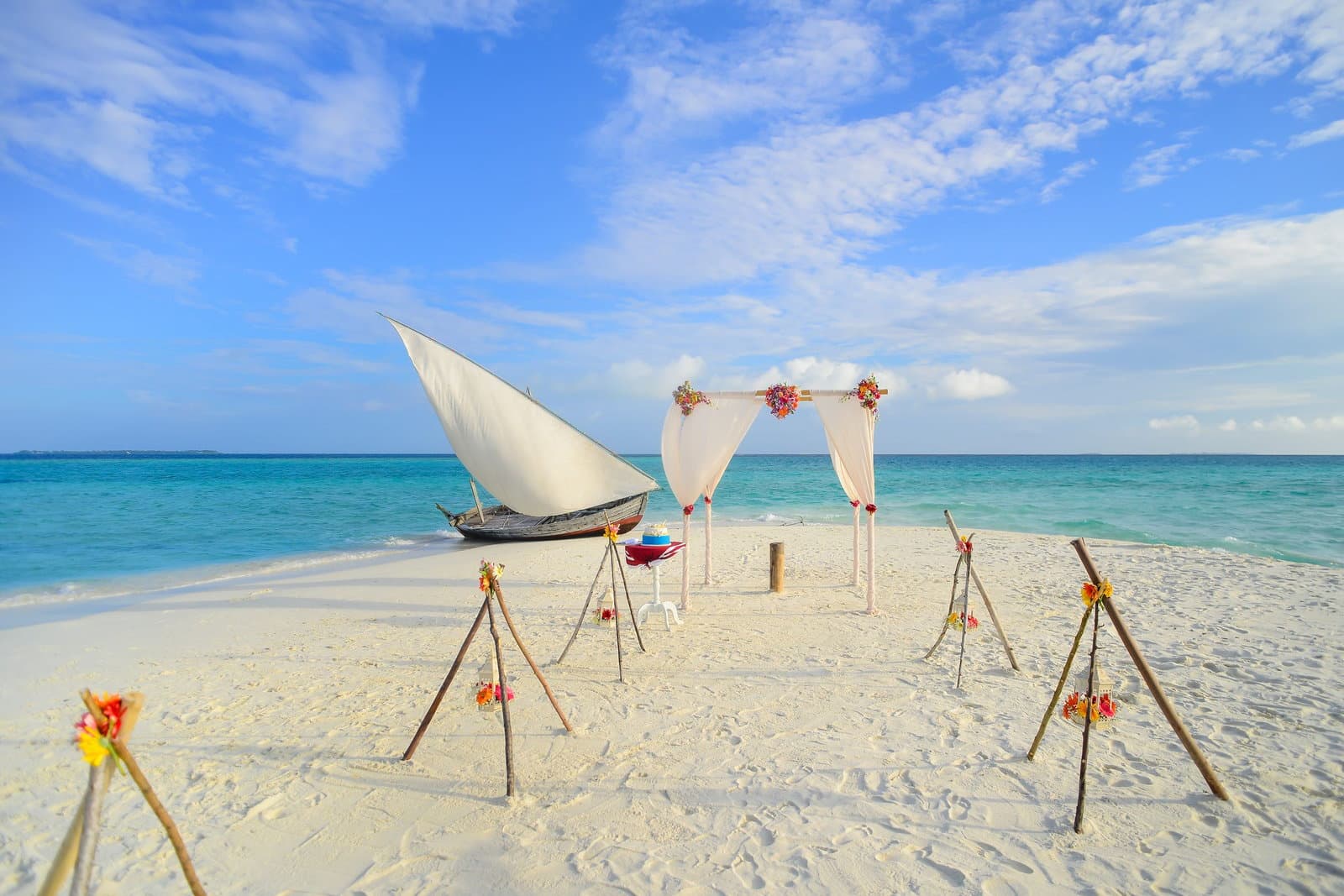
| Beach formal | Linen suit or floaty long dress. No tuxedo |
| Garden party | Cocktail in daylight colours, shoes for grass |
| Casual | As specified. Still smarter than brunch |
One note on how these are written. Formalwear has traditionally been described by gender, and plenty of guests do not dress along those lines, so each code lists the garments that meet it and a guest wears whichever of them is theirs. Nobody has ever been underdressed for choosing the suit over the gown, or the reverse.
White Tie
The most formal code that exists, and genuinely uncommon.
Guests: a black tailcoat with a white waistcoat and white bow tie, or a floor length gown, usually with gloves. Nothing above the ankle.
The party: entirely specified by the couple and almost always hired. Expect a fitting, booked for you.
If you are considering white tie for your own wedding, know that you are asking every guest to rent something. Most couples who want that formality use black tie.
Black Tie
Formal, evening, and not a suggestion. This is the code to use when you want a room that looks uniformly dressed.
Guests: a tuxedo with a black bow tie, or a floor length gown, or a formal long jumpsuit, or a very dressy midi in a formal fabric. A dark business suit is the common compromise and reads slightly under, which most couples mind less than the internet suggests.
The party: specified by the couple, usually matching tuxedos or a single dress style, hired or bought to a stated budget.
What to avoid: a patterned shirt, a long tie where a bow tie is intended, and daytime fabrics.
Black Tie Optional
The most misread code on the list. It means a tuxedo is welcome and a dark suit is equally correct, and nobody will be able to tell which of you read the invitation more carefully.
Guests: a tuxedo, or a dark suit with a tie, or a floor length gown, or a formal cocktail dress. All four are right.
The party: still specified by the couple, usually one notch up from the guests, which is why the party sometimes wears tuxedos at a black tie optional wedding.
Use this code for a formal evening with a guest list that includes people who will not rent a tuxedo. It is the honest version of "dress up, within reason."
Formal
Close to black tie optional, slightly softer, often a late afternoon wedding. A dark suit and tie, or a long dress, an elegant midi, or dressy separates. A tuxedo is not expected and will not look out of place. The party is matched to the couple's brief.
Cocktail
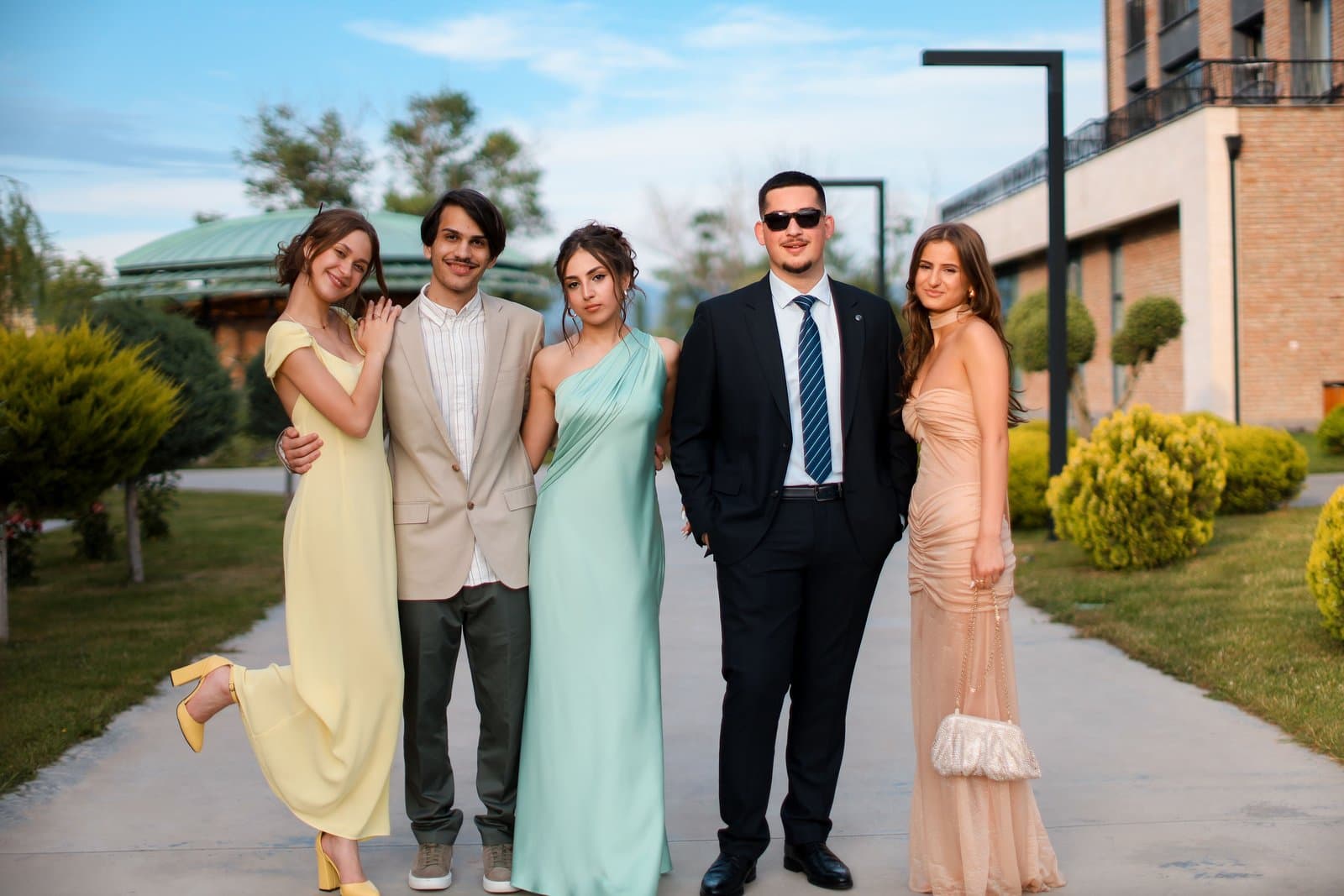
The default for most modern weddings, and the right answer when you are not sure what to put. Dressed up, not black tie.
Guests: a suit with or without a tie, or a dress from knee length to midi, or smart separates. Colour is open and pattern is fine.
The party: commonly a specified colour rather than a garment, which is where "any dress in this shade" briefs come from.
What to avoid: floor length gowns, which read as overdressed here, and anything you would wear to the office on a Tuesday, which reads as under.
Semi Formal and Dressy Casual
Two daytime codes, one and two notches below cocktail. Dressy casual is often misread as "whatever you like." It means tidy, considered, clearly for an occasion.
Guests, semi formal: a suit without a tie, or a blazer with smart trousers, or a day dress or smart midi. Lighter colours are more at home here than at any evening code.
Guests, dressy casual: chinos with a collared shirt, or a sundress, or a skirt and a nice top. No jeans unless the invitation says jeans, no shorts, no trainers.
The party: usually coordinated separates rather than a uniform, often jacketless.
Festive
Cocktail, plus an instruction to enjoy yourself, and mostly a December wedding. Something celebratory: velvet, a jewel tone, a dinner jacket, a bit of sparkle. Festive does not mean novelty, and no wedding has benefited from a themed sweater. The party is usually in a deeper palette.
Beach Formal
Formal in spirit, lightweight in fabric, built for heat and sand.
Guests: a linen or light wool suit, usually without a tie, or a long floaty dress. Dressy sandals or loafers rather than heels, which do not work on sand.
The party: usually linen or a lightweight suit and a flowing dress, with footwear the couple often waives.
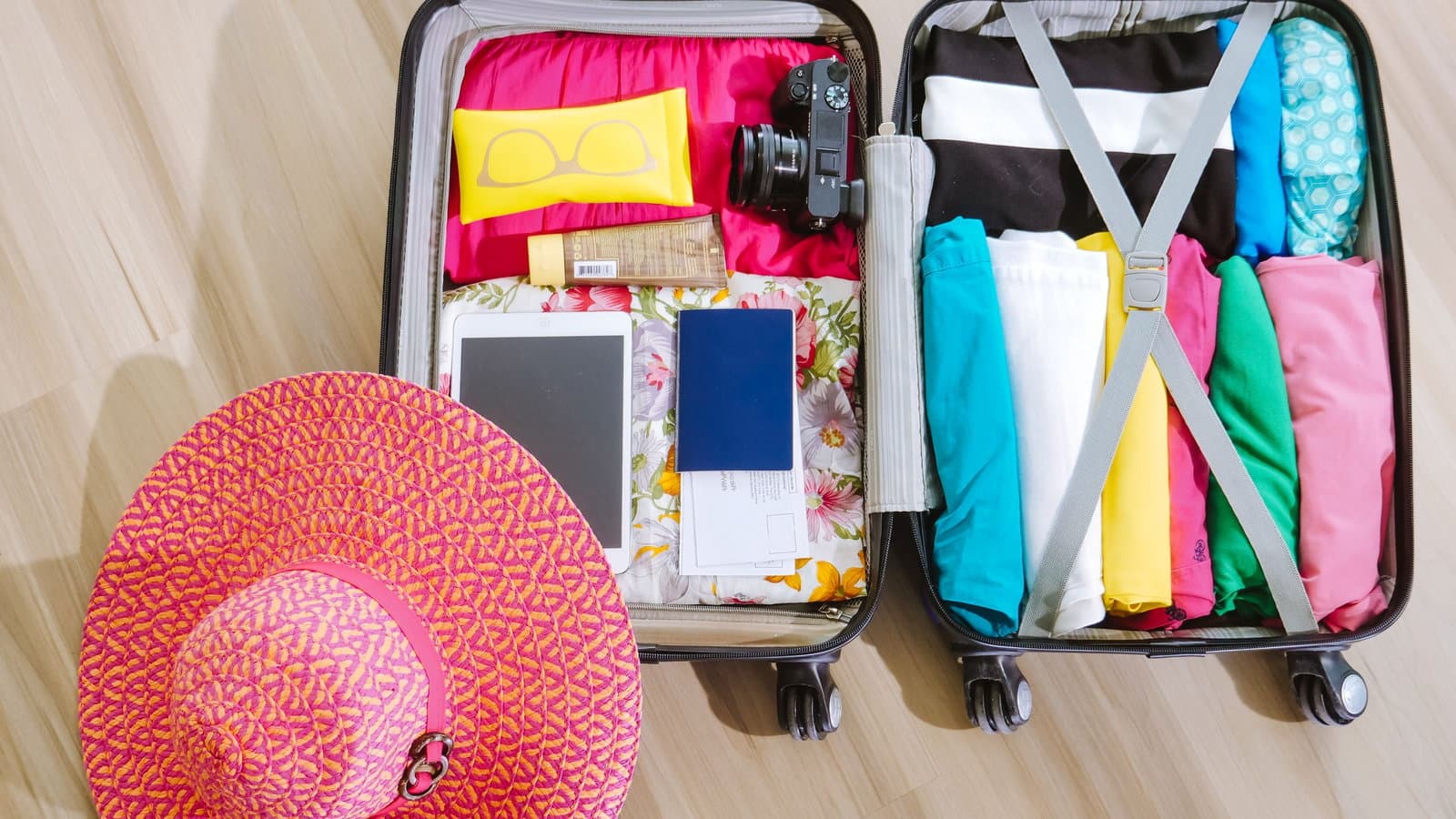
If the wedding is abroad, the dress code arrives alongside packing, flights, and three events across a weekend. Our destination wedding guest checklist covers the kit.
Garden Party
Cocktail, outdoors, in daylight, on grass.
Guests: a suit in a lighter colour, or a day dress, with a hat if you like one. The practical half matters more here: block heels or flats, because stilettos sink, and something over your shoulders for when the sun drops.
The party: as specified, and worth asking about footwear, since the party stands on that lawn far longer than the guests do.
Casual
Rare, usually meant literally, and worth confirming rather than assuming. A courthouse wedding, a backyard, a second celebration. Wear what the invitation says, one step smarter than you would wear to the same place on an ordinary afternoon. The party often gets no specification at all, which is worth checking, because "wear what you like" and "wear what you like, in blue" are different instructions.
What the Wedding Party Wears, and Why It Is Different
Guests read a dress code. The wedding party is handed an outfit, which is a different exercise. Three things hold true almost everywhere.
The party dresses to the couple's brief, not the invitation. If you are in the party and find yourself interpreting the code, you are missing an instruction.
The party often sits one notch above the guests. Tuxedos at a black tie optional wedding, a long dress at a cocktail wedding. It is deliberate, and it photographs better.
Anything required should be specified in writing and early. Style, colour, retailer, price ceiling, rental, footwear. A party that is guessing produces eight interpretations of "dusty blue."
If you are the couple: whatever you require, consider covering, and send the brief four months out.
What to Print on the Invitation
Bottom right of the invitation, or on the reception card, in two or three words. That is the whole convention. Anything needing softening goes on the website instead:
Black tie optional. Tuxedos and dark suits both welcome, and floor length is lovely but not required. The ceremony is on grass, so flats or block heels will serve you better than heels.
Four rules for that line:
- Name the code, then translate it. The code is for people who know it, the translation is for everyone else.
- Say what the ground and the weather will be. Grass, gravel, sand, an outdoor ceremony in October. The single most useful sentence on any wedding website.
- Do not write "no jeans" on the card. Put any prohibition on the website, as a preference.
- Do not invent a code. "Garden glam" and "coastal chic" generate more questions than they answer. Pick a real code and describe the feeling underneath.
The dress code goes out with the invitation rather than the save the date, which has a job of its own: our guide to save the dates versus invitations covers what belongs on each. Have it live before the RSVP chasing starts, since it is the line most likely to prompt a reply.
A Note on Colour
Do not wear white, ivory, cream, or champagne unless the couple has asked you to. This holds at every formality level and it is the one rule guests are genuinely expected to follow.
Black is fine. It stopped being a faux pas a long time ago and is now among the most common guest colours at any evening wedding.
Beyond those, check whether the couple has asked guests to avoid a specific shade, which usually means the party's colour.
Common Questions
What does black tie optional mean at a wedding?
That a tuxedo is welcome and a dark suit with a tie is equally correct, and that a floor length gown or a formal cocktail dress both work. It is the code for a formal evening without requiring every guest to rent something.
What is cocktail attire for a wedding?
Dressed up but not black tie: a suit with or without a tie, or a dress from knee to midi length, or smart separates. It is the most common code at modern weddings and the safest default for an invitation.
Where does the dress code go on a wedding invitation?
In two or three words at the bottom right of the invitation or on the reception card. Any translation or warning about grass, sand, or weather belongs on the wedding website, not the card.
Can wedding guests wear black?
Yes. Black at a wedding has not been a faux pas for many years and is one of the most common guest colours at evening weddings. White, ivory, and cream are the ones to avoid unless the couple asks for them.
Does the wedding party follow the invitation's dress code?
No. The party wears what the couple specifies, usually a notch dressier than the guests and often a particular style or colour. If you are in the party and reading the invitation to work out what to wear, ask the couple: a brief exists and you have not been sent it.
The Short Version
White tie means tails. Black tie means a tuxedo or floor length, with a dark suit as the common compromise, and black tie optional means both are right. Cocktail is the modern default: a suit, or a knee to midi dress. Semi formal and dressy casual are daytime codes where jeans still do not qualify. Beach formal means lightweight fabric and no heels; garden party is the same thought applied to grass. The party ignores all of it and wears what the couple specified.
Print the code in two words on the invitation, then write one honest sentence on the website explaining what it means and what the ground will be like. That sentence saves thirty text messages.
Dress code questions, RSVPs, meal choices, and plus one names arriving across texts, cards, and two inboxes? Nozari keeps the guest list and every response in one shared place, so the answers are all in the same column. See how it works.