Most advice about wedding toasts is written for the best man and the maid of honor. But plenty of other people get the tap on the shoulder: a sibling, a college roommate, a parent, a grandparent, an aunt who has known the groom since he was four. If that is you, the good news is that the job is smaller and simpler than the one the headline speakers have. You are not expected to tell the whole story of the couple. You are expected to say something true and warm, briefly, and then lift a glass.
This guide covers how long to speak, how to build the toast, how to open and close it, how to deliver it, and what to leave out.
Start With the Right Size
A toast from someone who is not a best man or maid of honor should usually be two to three minutes, and four at the very most. At a normal speaking pace that is roughly 300 to 450 words. If you are one of several speakers, ask the couple or the MC how much time you have, because a reception timeline is built around it.
Short is not a failure. A tight two minute toast that lands will be remembered far better than a nine minute one that wanders. Nobody has ever left a reception saying the toast was too brief.
Before you write anything, find out three things:
- When you are speaking. Before dinner, between courses, or after the meal changes how much attention you will have. Your reception MC or planner will know the order.
- Who else is speaking. If the best man and maid of honor are covering the funny stories, you can lean toward something sincere. If you are the only one, you may need a little of both.
- Whether the couple has any rules. Some couples want no roasts, no mention of exes, or a strict time cap. It is much easier to ask now than to guess.
The Simple Structure
A good toast for a guest speaker has four parts. You do not need more.
- Introduce yourself. One sentence. "For those who do not know me, I am Dana, Sam's older sister."
- One story or observation. The heart of the toast. Specific, short, and about the person or the couple.
- What you see in the two of them together. The turn from the past to the present.
- The wish and the glass. A line of blessing, then the cue to raise glasses.
That is the whole shape. Notice what is missing: no long history of your friendship, no thank-you list, no jokes strung together for their own sake.
Choosing the Story
The story is where most toasts go right or wrong. You want one anecdote, not five.
A story works when it:
- Shows a quality, not just an event. "He once drove four hours to help me move" says more about generosity than any adjective.
- Includes the partner if you can. A moment where you noticed how the couple fit together is gold. If you only know one of them well, say so honestly and use that.
- Is short. Aim for under a minute. If it needs a lot of background, it is the wrong story.
- Is understood by the whole room. An inside joke that only four people get leaves 150 guests feeling left out.
- Would be fine if their grandmother heard it. Because she will.
If you are stuck, try this prompt: finish the sentence "The moment I knew these two were right for each other was when..." If you cannot answer, finish "The moment I knew how good a person he is was when..." Either can carry a toast.
If You Are a Parent or Grandparent
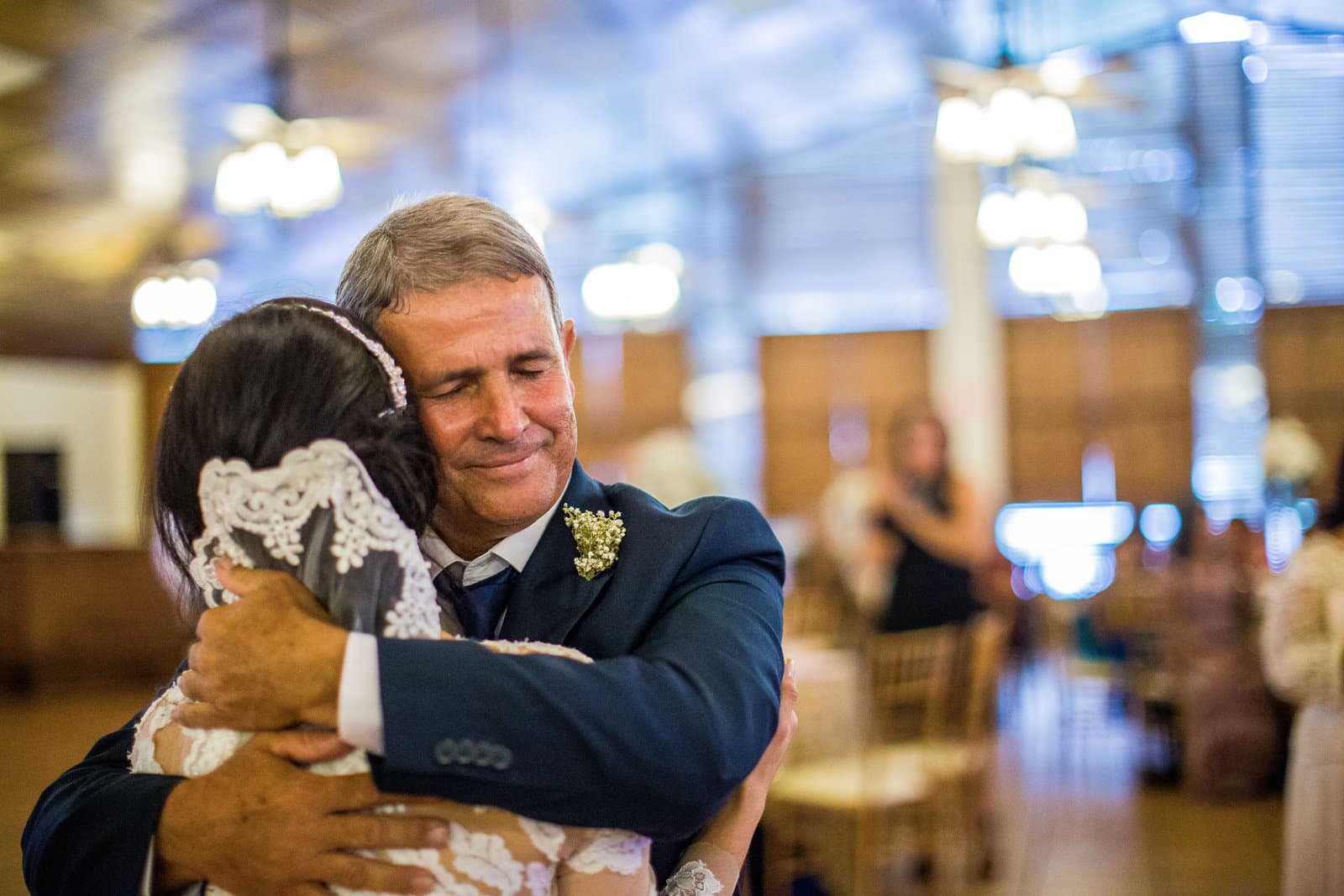
You have a different gift: perspective. A short memory of the person as a child, followed by what you see now, is usually enough. Avoid childhood stories that humiliate. One tender detail beats a list. If you are the parent of the bride and want a fuller outline, our father of the bride speech outline is a good model, and most of it applies to any parent.
If You Are a Sibling
Siblings can be a little funny and a little moving, and both land well. Pair a gentle tease with a real compliment. The compliment is the part people will quote later.
If You Are a Friend Who Is Not in the Wedding Party
Say how you know the couple and be honest about it. "I met Priya in the first week of university, and I have been trying to keep up with her ever since" is a better opening than pretending you were there for everything.
How to Open
The first fifteen seconds set the tone. Good openers are plain:
- Introduce yourself and your relationship.
- Thank the hosts or the couple in one line, if it feels natural.
- Go straight to the story.
A few options in different voices:
"Good evening, everyone. I am Marcus, and I have had the privilege of being Elena's friend for twenty years. I would like to tell you one small story about her."
"Hi, I am Jo, Tom's sister. Tom asked me not to embarrass him, which is a little like asking the tide not to come in, so I will keep it to one story."
"For anyone I have not met, I am Gran. I have known this young man since he was in diapers, so I get to say anything I like."
Skip the old standards. "Webster's dictionary defines marriage as..." is tired for a reason. Also skip a long bit about how nervous you are. A brief honest acknowledgment is fine. A five line routine about it is not.
How to End: The Glass Raise
The ending matters more than anything else, because it tells the room what to do. Without a clear cue, toasts trail off and guests sit holding their glasses unsure whether to sip.
The cleanest ending has two moves:
- A closing wish. One sentence. "May you always have as much fun together as you have had tonight."
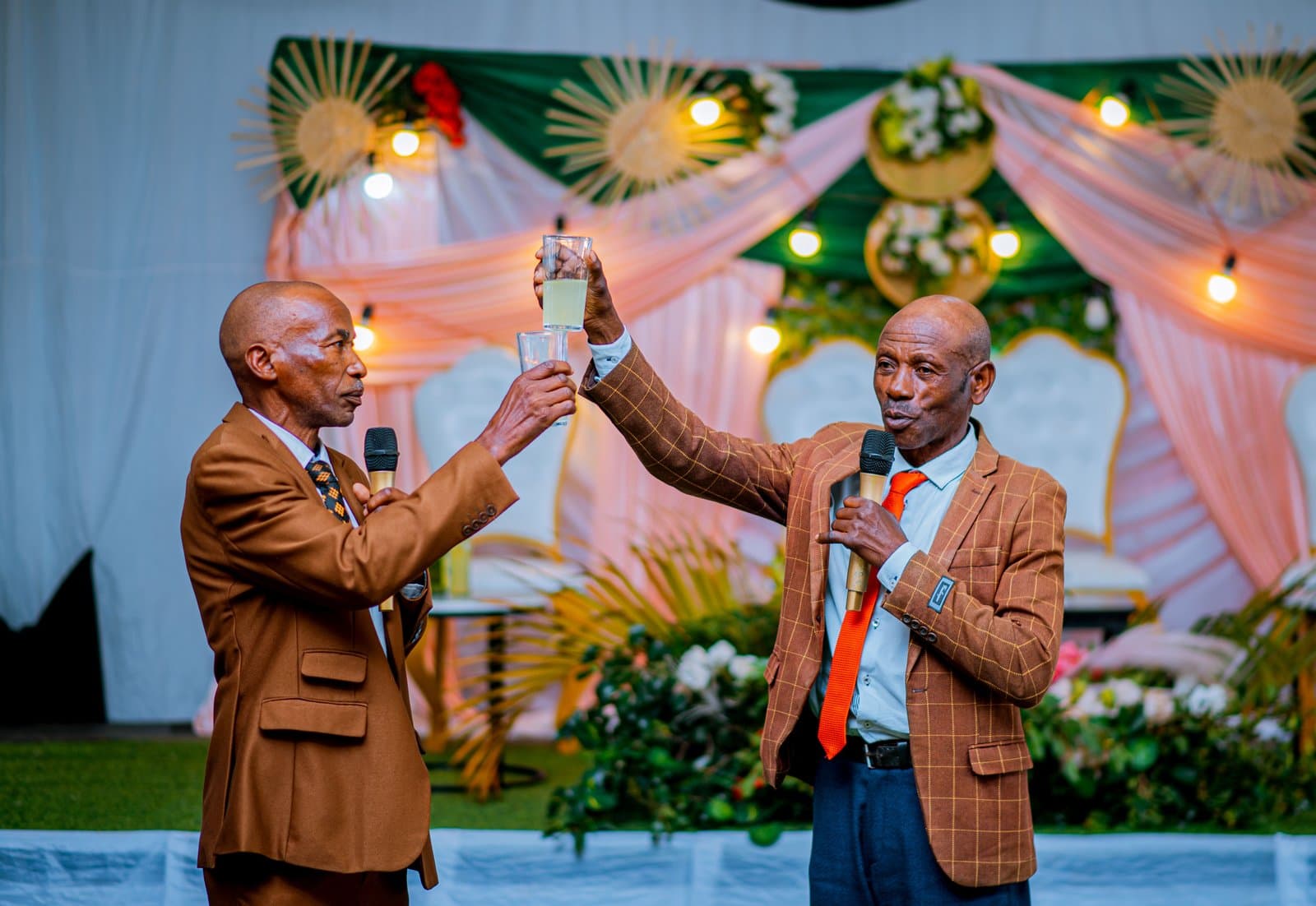
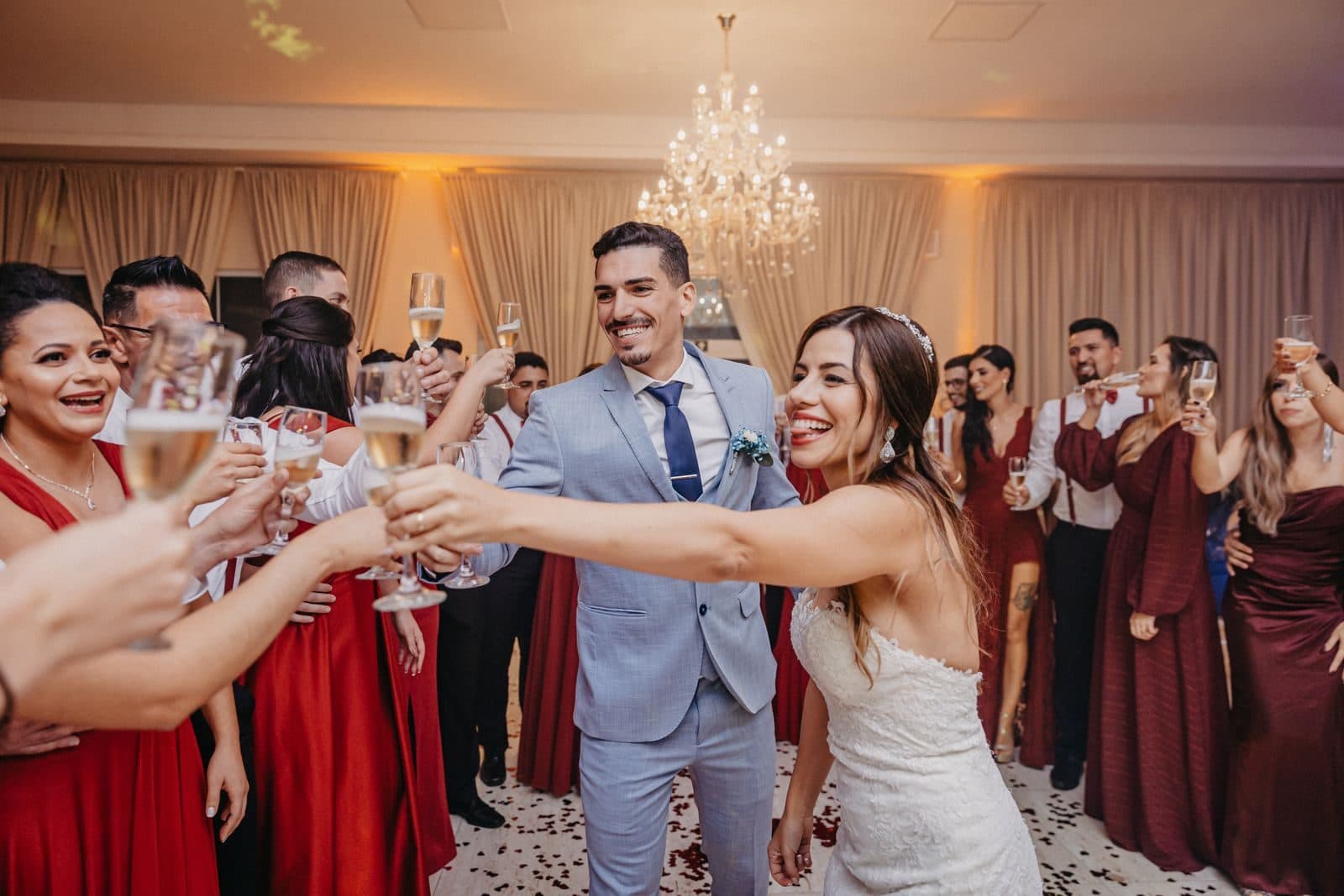
- The cue. "Please raise your glasses." Then the toast itself: "To Alex and Jordan."
Wait until everyone has a glass in hand before you finish. Say the couple's names clearly and last, so the room can echo them. "To the happy couple" is fine, but their names land warmer.
An example of a full close:
"Alex, Jordan, you have made each other better, and you have made the rest of us want to be around you. So, everyone, if you would please raise your glasses: to Alex and Jordan."
Then stop. Resist the urge to add a final joke or a thank you after the glass raise. The moment is the end.
Writing It Down
Write the toast out in full, even if you plan to speak from notes. Read it aloud, timing yourself. Most people discover their draft is longer than they thought. If a blank page is the problem, our free wedding toast outline breaks the four parts above into six timed prompts with a filled-in sample.
A few practical rules while editing:
- Cut anything you would not say to a stranger sitting at table nine.
- Use short sentences. They are easier to say and easier to hear in a loud room.
- Replace adjectives with moments. "Kind" becomes a story about kindness.
- Read it to one person. If they smile in the right places, it works.
If you will be working from notes, use a card or your phone, but keep it low and look up often. Printed cards are less distracting than a glowing screen, and they do not run out of battery.
Delivery and Microphone Tips
Nerves are normal. Most of the skill in delivery is slowing down.
- Pace. Speak more slowly than feels natural. Pause after the punchline and after the sincere line. Silence reads as confidence.
- Eyes. Look at the couple for the personal moments and at the room for the rest. Find two or three friendly faces to return to.
- Microphone. Hold it about a hand's width from your mouth, pointing at your chin, and keep it there when you turn your head. Ask for a quick sound check beforehand. If it is a handheld, do not wave it as you gesture.
- Hands. One hand on the mic and one holding your card is perfectly fine. Set your glass down until the cue, then raise it with everyone else.
- Alcohol. Have one drink at most before you speak, and save the rest for after. A toast is much easier to remember sober.
- If you lose your place. Pause, breathe, glance at your card, and say the next line. The room is rooting for you.
- If you get emotional. Stop for a second and smile. Guests will wait. A few moments of visible feeling is often the best part of a toast.
What Never to Say
The same few mistakes ruin otherwise good toasts. Leave these out:
- Exes. Anyone who came before, ever, in any context.
- Embarrassing stories about the couple's past, such as drunken nights, rumors, family drama, or old arguments.
- Jokes about the marriage not lasting. "Good luck, you will need it" gets a groan, not a laugh.
- Anything about money, weight, age, or children that the couple has not made public.
- Inside jokes that exclude the room.
- Roasts of one partner at the other's expense. Teasing is fine. Contempt dressed as comedy is not.
- A long list of thanks. The couple will do their own.
- Rambling. If you feel yourself starting a new story, go to the glass raise instead.
When in doubt, ask whether the couple would be happy to hear the line repeated at brunch the next morning. If not, cut it.
Plan for the Day Itself
A few small logistics make the difference between a smooth toast and a stressful one.
- Tell the MC or planner you are speaking and when you will be ready. A planner can cue you and make sure glasses are poured.
- Bring a copy of your toast in case your phone dies.
- Check the glass situation. Everyone needs something to raise, including children and non-drinkers. Water is fine.
- Stay near your table until you are called. Do not wander off to the bar.
- Eat something first. Speaking on an empty stomach and a full drink is a bad combination.
If you are in a wedding party, the coordination around speeches belongs in the weekend plan, alongside the day-of timeline. If you want to see how the headline speeches differ from yours, our guides to the best man speech and the maid of honor speech show the longer form.
Common Questions
How long should a wedding toast be?
For a guest, sibling, parent, or friend who is not the best man or maid of honor, two to three minutes is usually right, which is about 300 to 450 words. Four minutes is the upper limit. If you are unsure, ask the couple or the MC how much time the schedule allows.
What do you say at the end of a wedding toast?
End with a short wish for the couple, then ask guests to raise their glasses and say the couple's names. For example: "May you always laugh like this. Please raise your glasses to Alex and Jordan." Stop speaking after the glass raise rather than adding another line.
Can I give a wedding toast if I am not the best man or maid of honor?
Yes. Couples often invite siblings, parents, grandparents, and close friends to say a few words. Confirm with the couple or planner that you are expected, find out when you speak and how long you have, and keep it shorter than the headline speeches.
Should I memorize my wedding toast?
You do not need to. Know the opening and closing lines by heart, since those matter most, and keep a card for the middle. Reading from a card is entirely normal, as long as you look up often and speak slowly.
What if I am nervous about speaking in front of people?
Keep it short, write it out, and practice aloud a few times, ideally in front of one friend. Slow down, pause between sentences, and look at friendly faces. A brief wobble or a moment of emotion is rarely a problem. Guests are on your side.
Is it okay to tell a joke in a wedding toast?
A gentle joke is fine, especially at the start, as long as the whole room can enjoy it and it does not embarrass either partner. Teasing that ends in a compliment works best. Avoid jokes about exes, past behavior, or how long the marriage will last.
The Short Version
Keep it to two or three minutes. Introduce yourself, tell one short story that shows who the couple are, say what you see in them together, then end with a wish and a clear cue to raise glasses. Speak slowly, write it down, check what the couple want, and leave out exes, roasts, and inside jokes. The best toasts are not clever. They are true, brief, and said with warmth.
In the wedding party, with speeches, a timeline and a dozen small tasks to coordinate? Nozari keeps the schedule and the group chat for the whole party in one place. See how it works.